
Recent
Last 3 months · 26 plaques
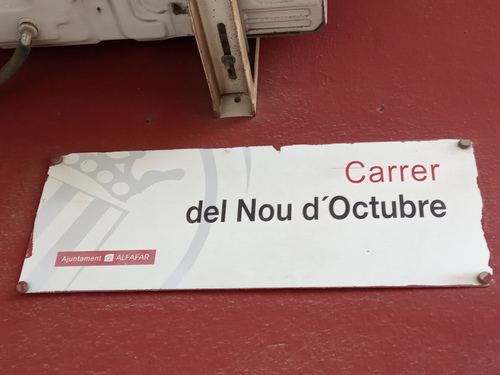
1238. Valencia (Spain). James I conquered the city.
It marks the entrance to the city of Valencia of the King James I in 1238.Web: Wikipedia
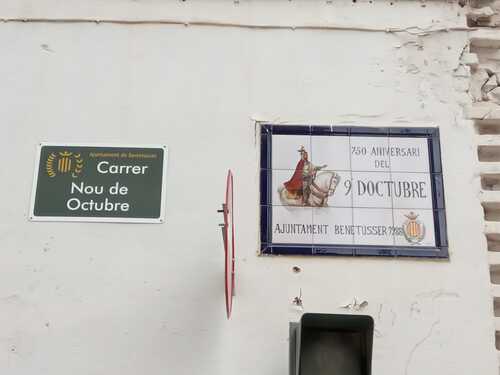
1238. Valencia (Spain). James I conquered the city.
It marks the entrance to the city of Valencia of the King James I in 1238.Web: Wikipedia
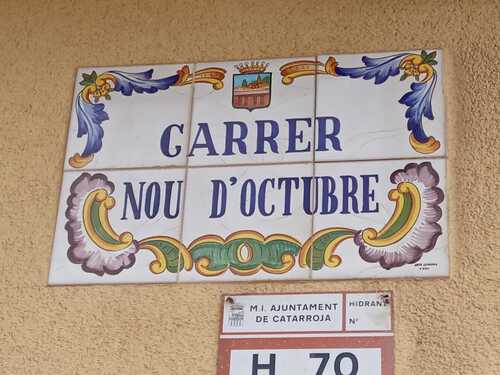
1238. Valencia (Spain). James I conquered the city.
It marks the entrance to the city of Valencia of the King James I in 1238.Web: Wikipedia
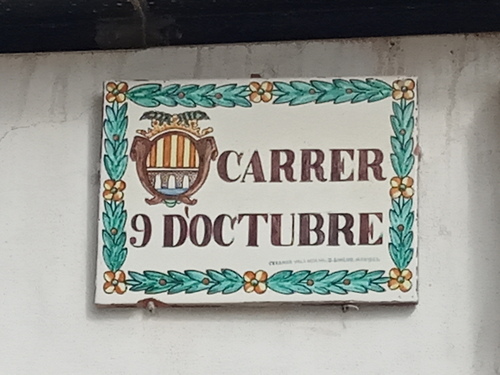
1238. Valencia (Spain). James I conquered the city.
It marks the entrance to the city of Valencia of the King James I in 1238.Web: Wikipedia
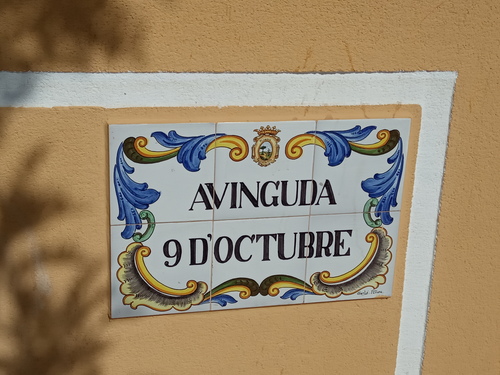
1238. Valencia (Spain). James I conquered the city.
It marks the entrance to the city of Valencia of the King James I in 1238.Web: Wikipedia
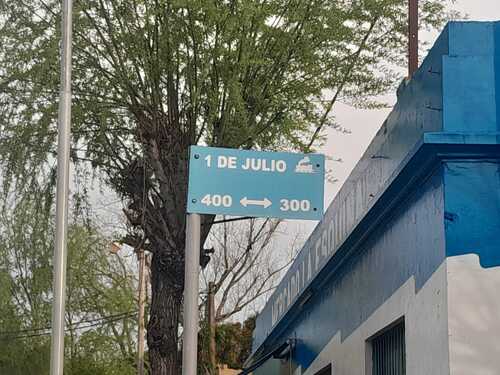
1974. Olivos (Argentine). Juan Domingo Perón dies.
Juan Domingo Peron, Argentine military and political, elected president of the country 3 times, died on July 1, 1974.Web: Wikipedia
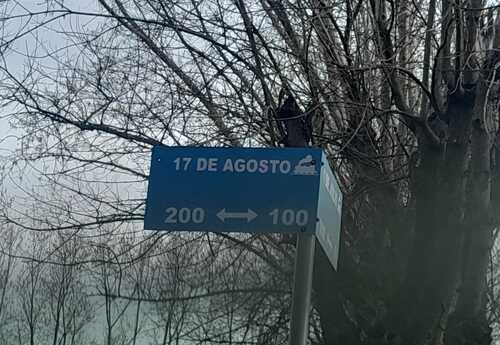
1850. Argentina. Death of Liberator José de San Martín
17 August commemorates the death, in 1850, of General José de San Martín (1778-1850), one of the leading figures of South American independence. Known as the Liberator, he led the military campaigns that secured the independence of Argentina, Chile and Peru from Spanish rule. He is regarded as the Father of the Argentine Nation and one of the country’s greatest national heroes.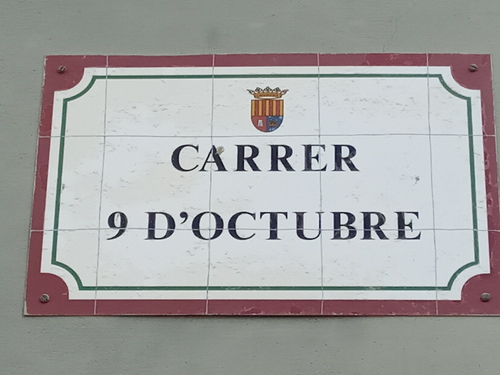
1238. Valencia (Spain). James I conquered the city.
It marks the entrance to the city of Valencia of the King James I in 1238.Web: Wikipedia
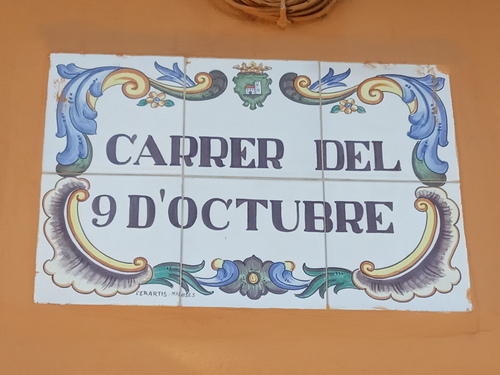
1238. Valencia (Spain). James I conquered the city.
It marks the entrance to the city of Valencia of the King James I in 1238.Web: Wikipedia
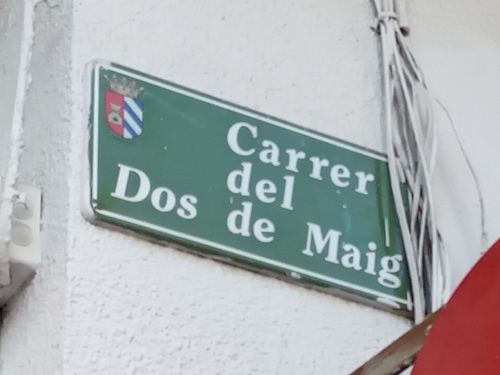
1808. Madrid (Spain). Uprising of the people of Madrid against Napoleonic forces.
On May 2, 1808 the people of Madrid rebelled against the occupation of the city by French troops, provoking a brutal repression by the French Imperial forces and triggering the Peninsular War.Web: Wikipedia
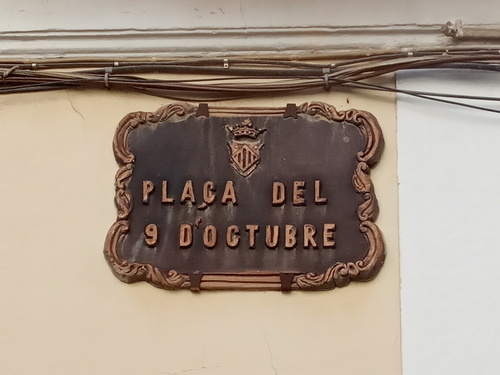
1238. Valencia (Spain). James I conquered the city.
It marks the entrance to the city of Valencia of the King James I in 1238.Web: Wikipedia
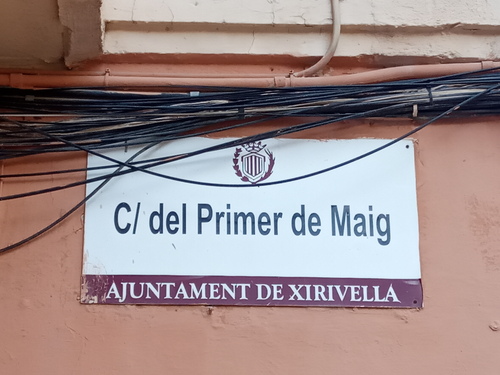
1886. World-wide. May Day or International Workers' Day.
May Day has been set aside to commemorate the labor movement in many countries around the world. An international workers’ day was first called for in 1889 at the Second International, a meeting of socialists in Paris, France. The day was intended to honor anarchist workers who were sentenced to death following the Haymarket Square Riot in 1886 in Chicago, Illinois.Web: Encarta Encyclopedia
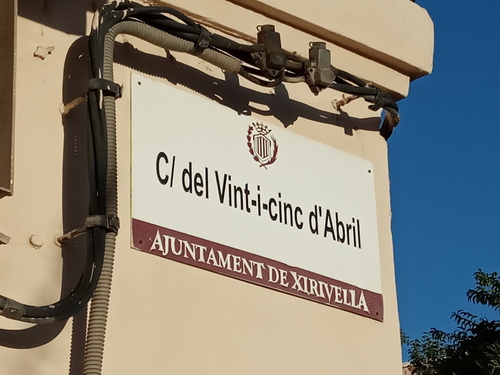
1707. Almansa (Spain). Battle of Almansa.
The Battle of Almansa, fought on 25 April 1707, was one of the most decisive engagements of the War of the Spanish Succession. Castile occupied the Kingdom of Valencia by right of conquest by imposing the Nueva Planta Decrees."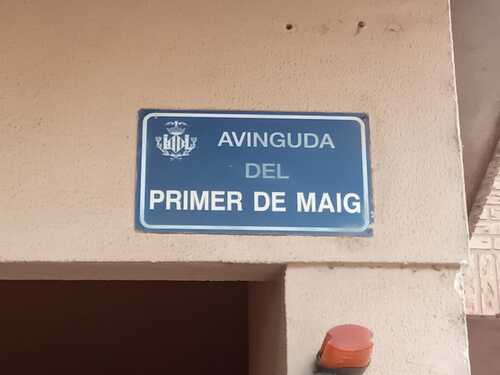
1886. World-wide. May Day or International Workers' Day.
May Day has been set aside to commemorate the labor movement in many countries around the world. An international workers’ day was first called for in 1889 at the Second International, a meeting of socialists in Paris, France. The day was intended to honor anarchist workers who were sentenced to death following the Haymarket Square Riot in 1886 in Chicago, Illinois.Web: Encarta Encyclopedia
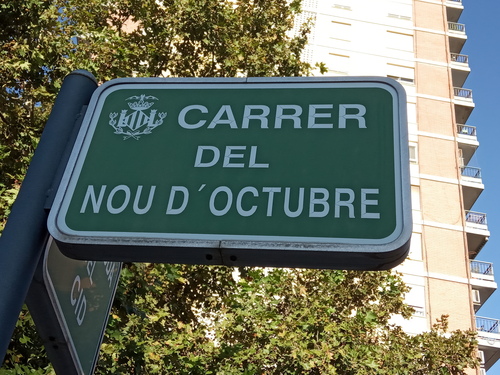
1238. Valencia (Spain). James I conquered the city.
It marks the entrance to the city of Valencia of the King James I in 1238.Web: Wikipedia
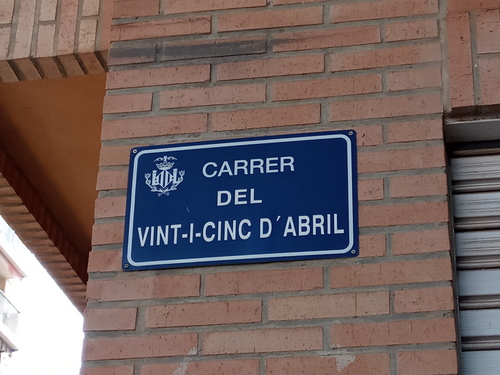
1707. Almansa (Spain). Battle of Almansa.
The Battle of Almansa, fought on 25 April 1707, was one of the most decisive engagements of the War of the Spanish Succession. Castile occupied the Kingdom of Valencia by right of conquest by imposing the Nueva Planta Decrees."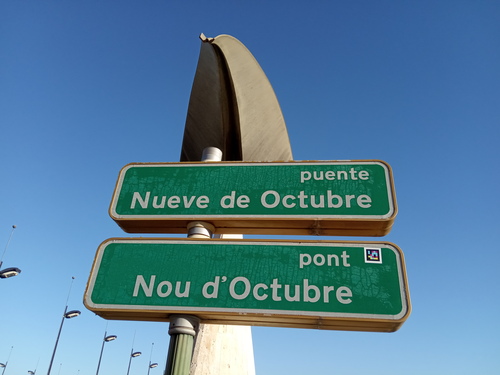
1238. Valencia (Spain). James I conquered the city.
It marks the entrance to the city of Valencia of the King James I in 1238.Web: Wikipedia
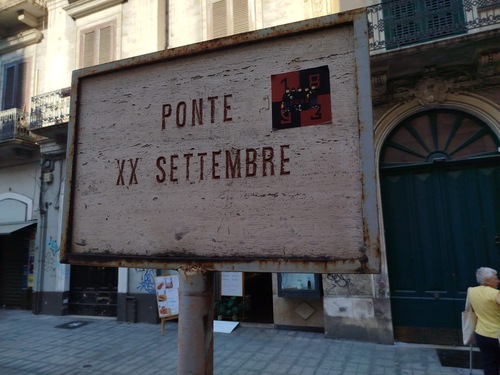
1870. Rome (Italy). Capture of Rome.
The Capture of Rome (20 September 1870) was the final event of the long process of Italian unification known as the Risorgimento,Web: Wikipedia
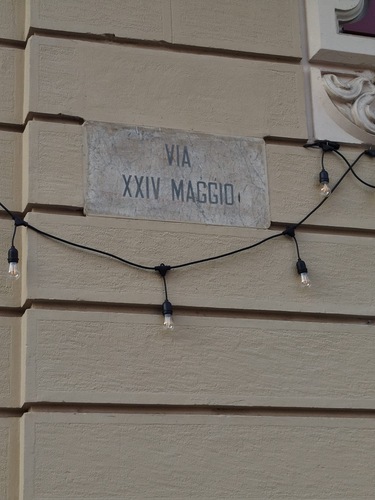
1915. Italy. On that day, Italy entered the First World War by declaring war on Austria-Hungary.
Web: Wikipedia (italian)

1870. Argentine Republic. Assassination of Justo José de Urquiza
11 April commemorates the assassination, in 1870, of General Justo José de Urquiza (1801-1870), the first constitutional President of the Argentine Confederation. Urquiza played a decisive role in the country’s institutional organization following the Constitution of 1853 and promoted agricultural colonization in Entre Ríos. He was assassinated at the Palacio San José, only a few kilometres from present-day San Justo, in one of the most significant political events in nineteenth-century Argentina.
1850. Argentina. Death of Liberator José de San Martín
17 August commemorates the death, in 1850, of General José de San Martín (1778-1850), one of the leading figures of South American independence. Known as the Liberator, he led the military campaigns that secured the independence of Argentina, Chile and Peru from Spanish rule. He is regarded as the Father of the Argentine Nation and one of the country’s greatest national heroes.
1801. Sant Justo, Entre Ríos, Argentina. Birth of Justo José de Urquiza
18 October commemorates the birth, in 1801, of General Justo José de Urquiza, a prominent Argentine military leader and statesman. After the Battle of Caseros (1852), he promoted the Constitution of 1853 and became the first President of the Argentine Confederation. He also encouraged immigration and the establishment of agricultural colonies in Entre Ríos, playing a major role in the region’s development.
1820. Argentine. Manuel Belgrano dies. National Flag Day.
Manuel Belgrano (Buenos Aires, June 3 1770 - June 20, 1820) was an intellectual, lawyer, economist, journalist, politician and military of the United Provinces of Río de la Plata, Argentine today. Participated in the War of Independence and is the creator of the flag of Argentine.
1880. San Justo, Entre Ríos, Argentina. Foundation of San Justo
3 March commemorates the official foundation of the town of San Justo in 1880. According to historical records, its establishment was promoted by Dolores Costa de Urquiza, widow of General Justo José de Urquiza, and approved by the government of the Province of Entre Ríos. The settlement grew around the Palacio San José, the general’s former residence, as part of the agricultural colonization that transformed the region in the late nineteenth century.
1886. World-wide. May Day or International Workers' Day.
May Day has been set aside to commemorate the labor movement in many countries around the world. An international workers’ day was first called for in 1889 at the Second International, a meeting of socialists in Paris, France. The day was intended to honor anarchist workers who were sentenced to death following the Haymarket Square Riot in 1886 in Chicago, Illinois.Web: Encarta Encyclopedia

1816. Argentine. Argentine Declaration of Independence.
The Independence of Argentine was declared on July 9, 1816 by the Congress of Tucumán.Web: Wikipedia