
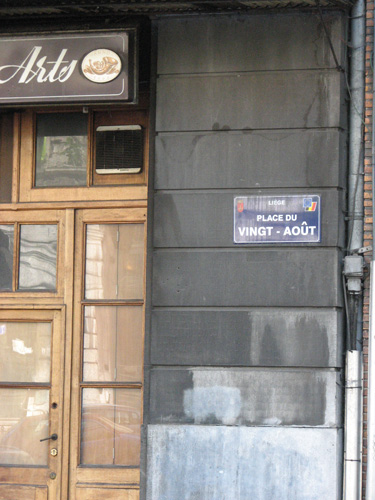
1944. Operation Paddle: the Belgian Brigade Piron in Normandy.
Clearing the Channel Coast was the task assigned, in World War II, to the 1st Canadian Army in August 1944, following the Allied breakout from Normandy. The 1st Canadian Army's advance to the River Seine was dubbed "Operation Paddle". The 1st Canadian Army's make-up varied to meet changing demands but in general terms it was composed of the 2nd Canadian Corps and the 1st British Corps. Within these formations, at various times, were Czech, Polish, French, Dutch and Belgian units.Web: Wikipedia
Web: Wikipedia
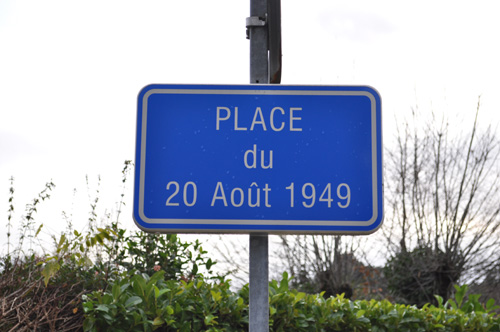
1949. Twenty-nine men died in Puch Canéjan (municipality of Cestas) battling a fire that destroyed 28,000 acres and left 82 people dead.
Web: Wikipedia (french)
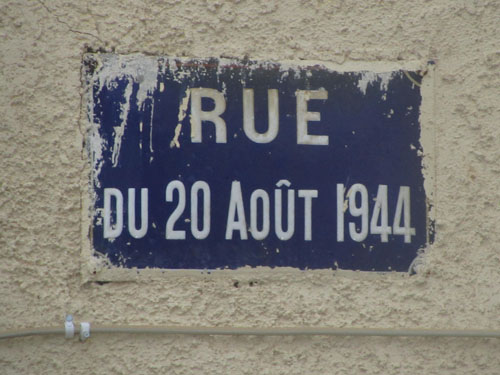
1944. Pending requested information.
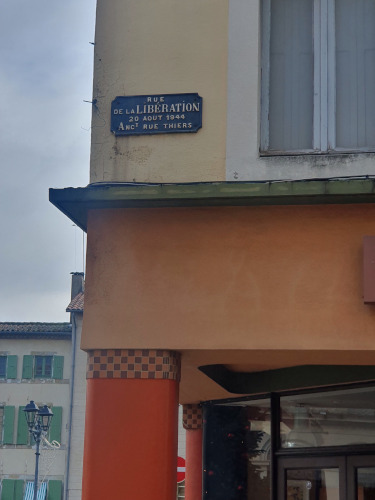
1944. Liberation of the city.
In the context of the Second World War, the city was liberated from German occupation.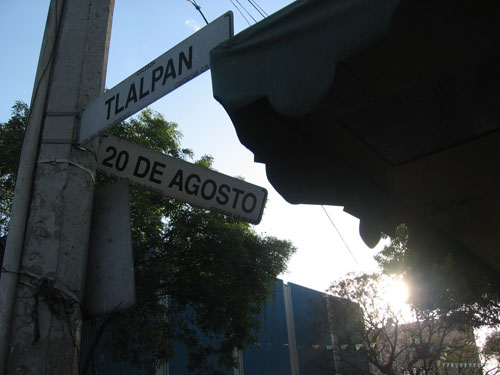
1914. Triumphant entry of Venustiano Carranza in the city of Mexico DF.
After Madero's murder in 1913, he led the Constitutionalist forces that in 1914 overthrew General Victoriano Huerta, Madero's assassin. He was then installed as provisional head of the new government.Web: Encarta Encyclopedia
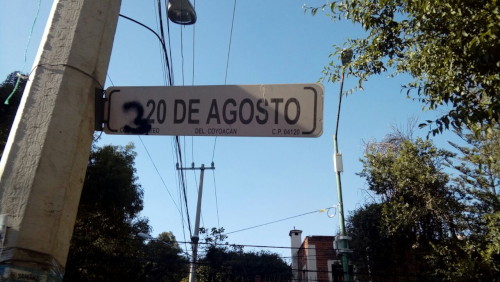
1914. Triumphant entry of Venustiano Carranza in the city of Mexico DF.
After Madero's murder in 1913, he led the Constitutionalist forces that in 1914 overthrew General Victoriano Huerta, Madero's assassin. He was then installed as provisional head of the new government.Web: Encarta Encyclopedia
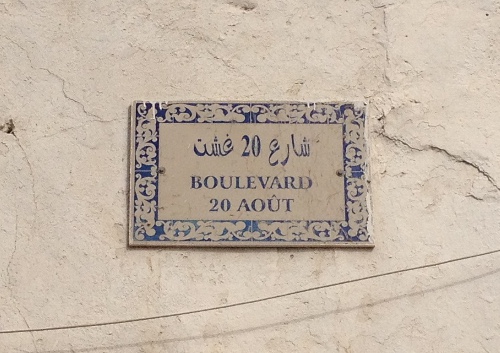
1953. France's exile of Sultan Mohammed V
France's exile of Sultan Mohammed V in 1953 to Madagascar and his replacement by the unpopular Mohammed Ben Aarafa sparked active opposition to the French and Spanish protectorates. The most notable violence occurred in Oujda where Moroccans attacked French and other European residents in the streets. France allowed Mohammed V to return in 1955, and the negotiations that led to Moroccan independence began the following year. (from Wikipedia)Web: Larousse (french)